
The hidden emotions driving gambling behavior
The Psychological Pull of Gambling
Gambling is often seen as a game of chance, but beneath its surface lies a complex web of emotions that drive individuals to place bets. The thrill of anticipation is a primary emotional trigger. When players engage in gambling, they experience a rush of adrenaline as they await the outcome. This heightened emotional state can create a euphoric feeling, leading to repeated gambling in hopes of reliving that initial high. For those looking for reputable avenues, exploring the best casino sites not on gamstop can be beneficial.
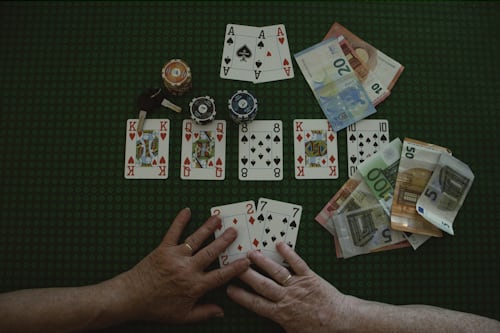
Another significant factor is the element of escape. For many, gambling serves as a way to escape from everyday stresses and anxieties. The focus required to participate can provide a temporary reprieve from life’s challenges. This emotional distraction can transform a simple game into a coping mechanism, often leading individuals to gamble more frequently as they seek solace from their problems.
The Role of Social Influence
Social dynamics can greatly impact gambling behavior. Peer pressure plays a crucial role in the decision to gamble, especially among younger individuals. The desire to fit in or impress friends can lead to increased participation in gambling activities. Many people feel compelled to join in, believing that it will enhance their social status or strengthen friendships.
Moreover, social environments that normalize gambling can exacerbate these emotions. When individuals are surrounded by others who frequently gamble, the behavior becomes more acceptable and even encouraged. This sense of community can create a bond over shared experiences, further driving the emotional compulsion to participate in gambling activities.
Addiction and Emotional Dependence
The emotional highs associated with gambling can also lead to addiction. For some, the thrill and excitement morph into a dependency that is difficult to break. The cycle of winning and losing stimulates emotional responses that can be difficult to manage. As individuals chase losses or seek to recreate the euphoric feelings from their wins, they often find themselves trapped in a vicious cycle.
This emotional dependence can result in a range of negative consequences, from financial troubles to strained relationships. The initial excitement of gambling can give way to feelings of guilt, shame, and hopelessness, further complicating the emotional landscape surrounding the behavior. Understanding this connection between emotions and gambling can be crucial for those seeking help or attempting to break free from addiction.
The Impact of Marketing and Messaging
Marketing strategies in the gambling industry are tailored to tap into these hidden emotions. Advertisements often highlight the thrill and excitement of winning, evoking feelings of aspiration and success. By presenting gambling as a glamorous activity, marketers appeal to individuals’ desires for excitement and social validation.
This targeted messaging can create unrealistic expectations about the rewards of gambling. Individuals may be drawn in by the promise of quick riches, overlooking the risks involved. This emotional manipulation can lead to impulsive decisions, further embedding gambling into an individual’s lifestyle and emotional routine.
Understanding Our Emotions for Better Choices
Recognizing the hidden emotions that drive gambling behavior is essential for fostering a healthier approach to betting. By understanding the psychological factors at play, individuals can make more informed choices and better manage their gambling activities. This awareness can help mitigate the risk of addiction and promote responsible gambling practices.
Additionally, resources are available for those looking to explore their relationship with gambling further. Websites dedicated to educating users about emotional triggers and providing support can play a critical role in this journey. Engaging with such platforms can empower individuals to confront their emotions and make choices that align with their well-being.
